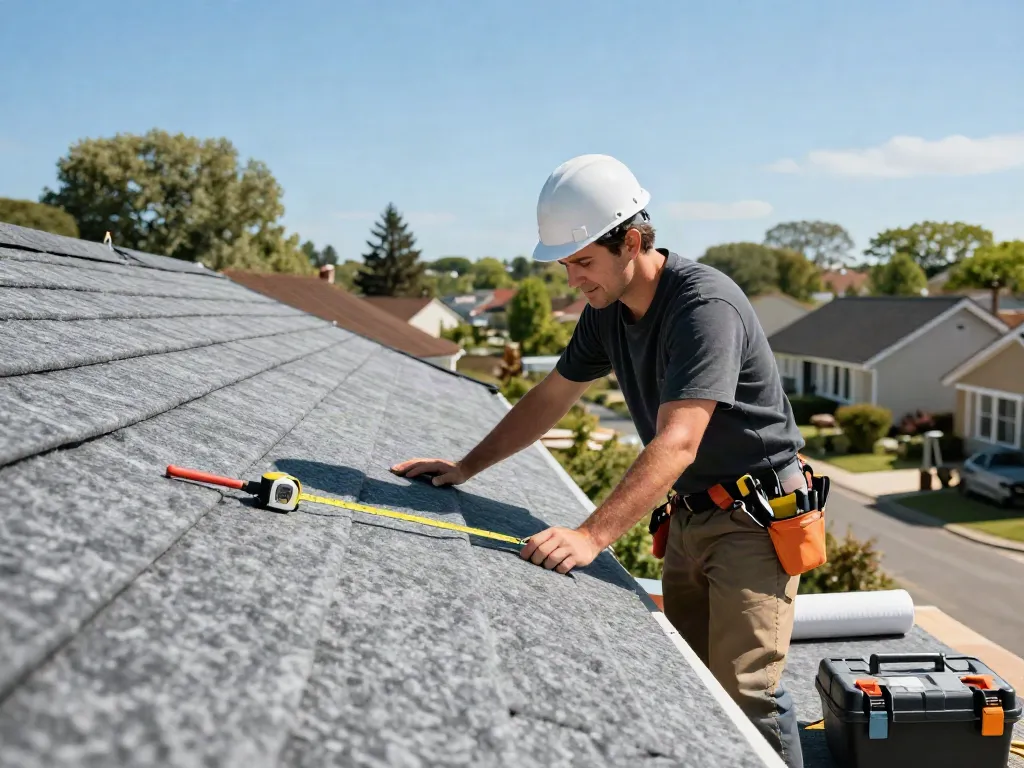
Understanding Felt Roofing: Basics and Benefits
Felt roofing is an increasingly popular choice among homeowners for its durability, versatility, and cost-effectiveness. Whether it's for a flat roof on a garage, an extension, or even a garden shed, felt roofing provides robust protection against the elements. This article explores everything you need to know about felt roofing, from its basic functions to how to find the best specialists in your area. If you're considering a felt roofing project, understanding its benefits and maintenance can lead to better decisions and lasting satisfaction. When exploring options, felt roofing provides comprehensive insights into installation and repair services available near you.
What is Felt Roofing and How Does it Work?
Felt roofing consists of multiple layers of materials, primarily bitumen or synthetic fibers, designed to provide a waterproof barrier. The process involves applying sheets of felt roofing material—often referred to as felt or roofing felt—over a solid substrate, such as plywood or OSB (oriented strand board). The felt is typically adhered using hot asphalt or a torch-on application method, which melts the bitumen to create a watertight seal. This method ensures that seams between sheets are securely bonded, reducing the risk of leaks and allowing rainwater to run off effectively.
Key Benefits of Using Felt Roofing for Your Property
- Cost-Effective: Compared to traditional roofing materials like tiles or metal, felt roofing is usually more affordable both in installation and repair.
- Easy Installation: Felt roofing can be installed quickly, often requiring less labor than other roofing systems.
- Durability: Modern felt materials are designed to withstand harsh weather conditions, including UV rays, rain, and snow.
- Versatile: Felt roofing can be applied to a variety of structures, including garages, extensions, and flat roofs, making it a flexible option for many homeowners.
Common Misconceptions About Felt Roofing Systems
Despite its numerous advantages, several misconceptions surround felt roofing. One common myth is that felt roofs are inferior to other roofing materials. In reality, when installed correctly, a felt roof can last for 20 years or longer with minimal maintenance. Another misconception is that felt roofing is prone to leaks; however, as technology has advanced, modern materials are engineered to provide significant waterproofing capabilities. Homeowners should seek out experienced contractors for installation to ensure the longevity and effectiveness of their felt roofing system.
Finding Trusted Felt Roofing Specialists Near You
Choosing the right roofing specialist is crucial to the success of your roofing project. Given the potential for costly repairs if a job is done poorly, it's essential to find trusted felt roofing specialists near you. This process includes verifying credentials, comparing quotes, and knowing what to look for in a local contractor.
How to Verify Roofer Credentials and Experience
When hiring a roofing contractor, it’s essential to check their credentials. Look for specialists who are licensed and insured, which protects you from liability should any accidents occur during the project. In addition, ask about their experience specifically with felt roofing systems. A reputable contractor should be able to demonstrate their qualifications with references and a portfolio of past projects. It’s beneficial to read online reviews and seek recommendations from friends or family to ensure you are working with a reliable professional.
Getting Multiple Quotes for Your Roofing Project
One of the best ways to ensure you receive fair pricing is to obtain multiple quotes before making your choice. Most felt roofing specialists provide free estimates based on an initial inspection of your roof. These quotes should detail the scope of work, materials to be used, and the timeline for completion. When comparing quotes, look beyond just the price; consider the quality of materials and the contractor’s experience to ensure you are getting the best value for your investment.
What to Look for in a Local Roofing Contractor
Choosing a local contractor offers unique advantages, such as familiarity with local building codes and weather conditions. When evaluating potential contractors, ensure they possess not only the necessary licenses and insurance but also a good track record. Look for professionals who emphasize communication, are willing to answer your questions, and provide clear timelines. Additionally, obtaining written estimates helps ensure that you have a point of reference for what to expect in terms of labor and materials.
Types of Felt Roofing Systems: Options Available
Felt roofing systems have evolved significantly, offering various options tailored to different property needs. Understanding these options will help you make an informed choice for your roofing project.
Comparing Traditional vs. Modern Felt Roofing Solutions
Traditional felt roofs typically use single-layer bitumen felt, which can be prone to wear over time. In contrast, modern felt roofing solutions often incorporate multiple layers with enhanced durability and waterproofing properties. These modern systems include torch-on felt, self-adhesive felt, and high-performance synthetic membranes, which provide superior strength against environmental factors.
Choosing the Right Felt Material for Your Project
The choice of felt material significantly impacts the performance and lifespan of your roof. Traditional bitumen felt is less expensive but may not last as long as synthetic materials. Modern synthetic felt options, such as EPDM (Ethylene Propylene Diene Monomer), provide exceptional resistance to UV light and temperature fluctuations, making them ideal for various climates. Consult with your roofing contractor to determine the best material for your specific situation.
Understanding Installation Techniques and Their Importance
Proper installation is essential for ensuring the effectiveness of your felt roofing system. Techniques like torch-on application create a uniform, waterproof seal, while self-adhesive options eliminate the need for flame, making them safer for residential properties. It's vital to choose a contractor skilled in these methods to guarantee that your roof is leak-proof and durable.
Maintaining Your Felt Roof: Best Practices
Regular maintenance is key to prolonging the life of your felt roof and preventing expensive repairs down the line. Understanding how to care for your felt roofing system can lead to better performance and longevity.
Regular Inspection and Maintenance Tips for Longevity
Conducting regular inspections is crucial for identifying potential issues before they escalate. Homeowners should check for signs of wear, such as blistering, cracking, or lifting edges. Cleaning debris, such as leaves and branches, ensures that drains remain clear and does not trap moisture. It is recommended to inspect your roof at least twice a year and after severe weather events.
Signs Your Felt Roof Needs Repair or Replacement
Recognizing the warning signs of damage can save you from costly repairs. Common indicators include visible leaks, sagging areas on the roof, and water pooling. If you encounter these issues, it’s advisable to contact a roofing contractor for an immediate inspection. They can assess the situation and recommend whether repairs or a full replacement is necessary.
Seasonal Maintenance Checklist for Felt Roofing
- Spring: Inspect for any winter damage and clean gutters and drainage.
- Summer: Check for any signs of blistering or cracks caused by heat.
- Autumn: Clear off leaves and debris to prevent blockages.
- Winter: Remove snow buildup carefully to avoid damaging the roof.
The Future of Felt Roofing: Trends for 2026 and Beyond
The market for felt roofing is continuously evolving, with new technologies and materials emerging to meet the roofing demands of the future. Staying informed on these trends ensures that homeowners make the best choices for sustainability and performance.
Innovations in Felt Roofing Materials and Technologies
Advancements in materials have led to the development of felt roofing systems featuring enhanced durability and energy efficiency. Innovations such as green roofs, which incorporate live plant systems, are gaining popularity due to their environmental benefits. Expect to see more eco-friendly materials that improve thermal efficiency and lower energy costs.
Environmental Considerations in Modern Roofing Solutions
As sustainability becomes increasingly important, felt roofing is adapting to include environmentally friendly materials. Many modern roofing solutions are designed to reduce heat absorption, thus lowering energy consumption while providing excellent protection against the elements.
Industry Insights: Predictions for Felt Roofing in 2026
Experts predict that the demand for felt roofing will continue to rise as more homeowners recognize its benefits. We will likely see an increase in the use of recyclable materials and systems that promote energy efficiency, ultimately leading to a more sustainable roofing industry.
How to Choose the Right Roofing System for Sustainability?
When selecting a roofing system, consider materials that offer longevity, energy efficiency, and minimal environmental impact. Consulting with knowledgeable roofing professionals can help guide your choices to align with sustainability goals.
Are There New Eco-Friendly Alternatives to Traditional Felt?
Yes, alternatives such as liquid-applied roofing systems offer seamless waterproofing and are environmentally friendly. These systems can provide excellent protection without the environmental impact associated with traditional felt, making them an attractive option for today's eco-conscious homeowners.